
 Which Direction Is Best For My Solar Panels To Face?
The quick answer to that question is, face your panels in the direction that best suits your lifestyle. But surely there is a direction, and even a roof angle that is best for every household. The quick answer to that is, … Nope.
There are a number of factors at play here so let go back to the beginning, even before solar panels were put on homes that were interactive with the grid.
I’m talking way back in history, not as far back as the first amoeba and not even as far back as the 1860s when the technology was discovered, but at least to the 1960s and 1970s when all those hippies started having stand-alone electrical systems on those communes way out in the middle of nowhere.
A stand-alone solar system is a system that is not connected to the grid. That is, it is completely separate from the network that delivers electricity from the coal-fired generators to the homes and businesses within a community. The panels of these stand alone systems needed to collect as much energy each, and every day, as they possible could because the energy that was collected was generally stored in a battery bank.
The best direction for those panels to face from an Australian perspective was true north. For a system in the northern hemisphere, the best direction for their panels to face was due south. That is, to collect the most amount of solar energy every day of the year, all the panels needed to face the equator.
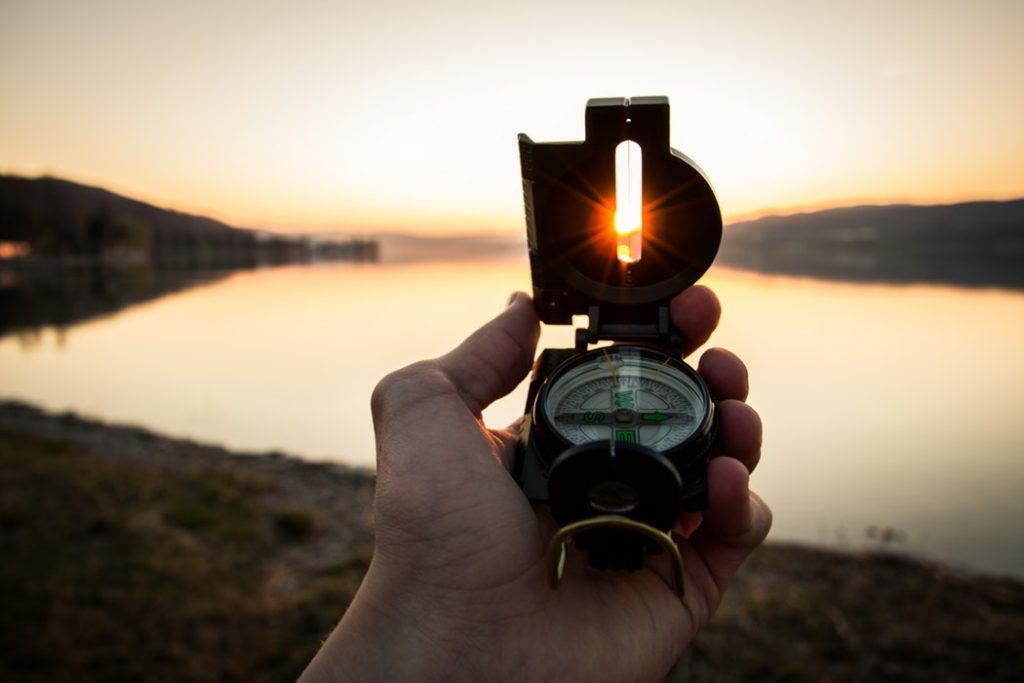 I use the term true north and true south because the magnetic field on the earth changes from place to place and so magnetic north and true north are not always in the same direction.
The angle that the panels are best mounted at is of course another interesting issue which I won’t cover in detail here, but it’s based on the latitude where the building is located. From season to season, the sun changes its height in the sky, being higher in the summer and lower in the winter.
That issue needs to be addressed depending on the topography of the area so that the panels have adequate access to the sun in the winter time. You don’t want to collect a huge amount of electricity in the summertime at the expense of collecting almost nothing in the winter time. Obviously that’s another issue that needs to be addressed.
So we have established that the best direction, for a stand-alone solar system, the panels need to face the equator for them to access the maximum amount of solar radiation available through the day. That situation would be the same for people such as myself, and others in Australia, who can access the high feed in tariff for their excess electricity.
Simply put, it is in those family’s best interests to collect as much energy through the day as they possibly can. The reason that it is best for both people with stand-alone systems and people who can sell excess electricity at a higher price because to have all of their panels place true North, is that both of those groups of people will collect the most amount of electricity from their solar panels if their solar panels face the equator.
Most people however do not have a stand-alone system nor can they access a high feed in tariff for their excess electricity. Therefore, it is in their best interest to do something different. That is, for the majority of people, it is in their best interest to have their panels accessing the sun at their peak times of electricity consumption.
That is generally not through the middle of the day when most people are at work and their children are at school. Peak electricity times for these households are generally in the morning during breakfast time, into the late afternoon and into the evening.
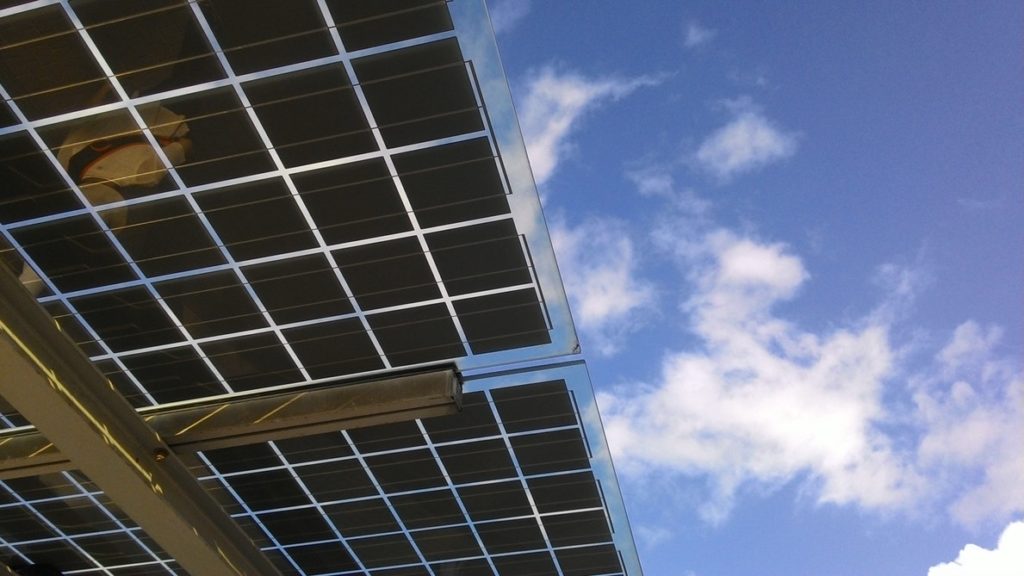 Most installations in Australia are something like 6kW systems. With this in mind, placing solar panels on a perfectly orientated home which has the longest side of the house, either the front or the back, facing the equator, may find that having 2kW facing east, 2kW facing the equator and the other two facing west, will tend to supply electrical energy when it is most in demand.
Into the evening, after the sun has gone down, no electrical energy will be produced so it will have to be drawn from the grid. Whilst positioning the panels in this configuration will not collect the maximum amount of electricity each day, it has a greater potential to produce more electricity during the times of higher use. This will be reflected in the electricity bill as the household will tend to use less grid power.
Unfortunately, most of the homes in Australia, and in fact around the world, are not orientated correctly. This would mean that further compromises need to be made regarding the direction that the panels can most easily be orientated. Life is most certainly a compromise and of course everyone’s situation is different because not all homes are orientated the same way and not all families practice the same lifestyle.
For Australians, who generally pay about 28 to 30 cents a kilowatt hour (kWh) to purchase from the grid, (unless you live in South Australia), they are lucky to get much more than 10 or 12 cents a kilowatt hour to sell into the grid.
Therefore is cheaper to use the electricity that the household produces than
it is to sell this unneeded energy into the grid at say 10 cents and buy back
at 30 cents per kWh. >>> COMPLIMENTARY VIDEO >>>
So, which direct it is best for my solar panels to face?
The quick answer to that question is, face your panels in the direction that best suits your lifestyle.
John Lynn
suburbanoffgridliving.com